Online Project-Based Schools: Parent Guide to the Model
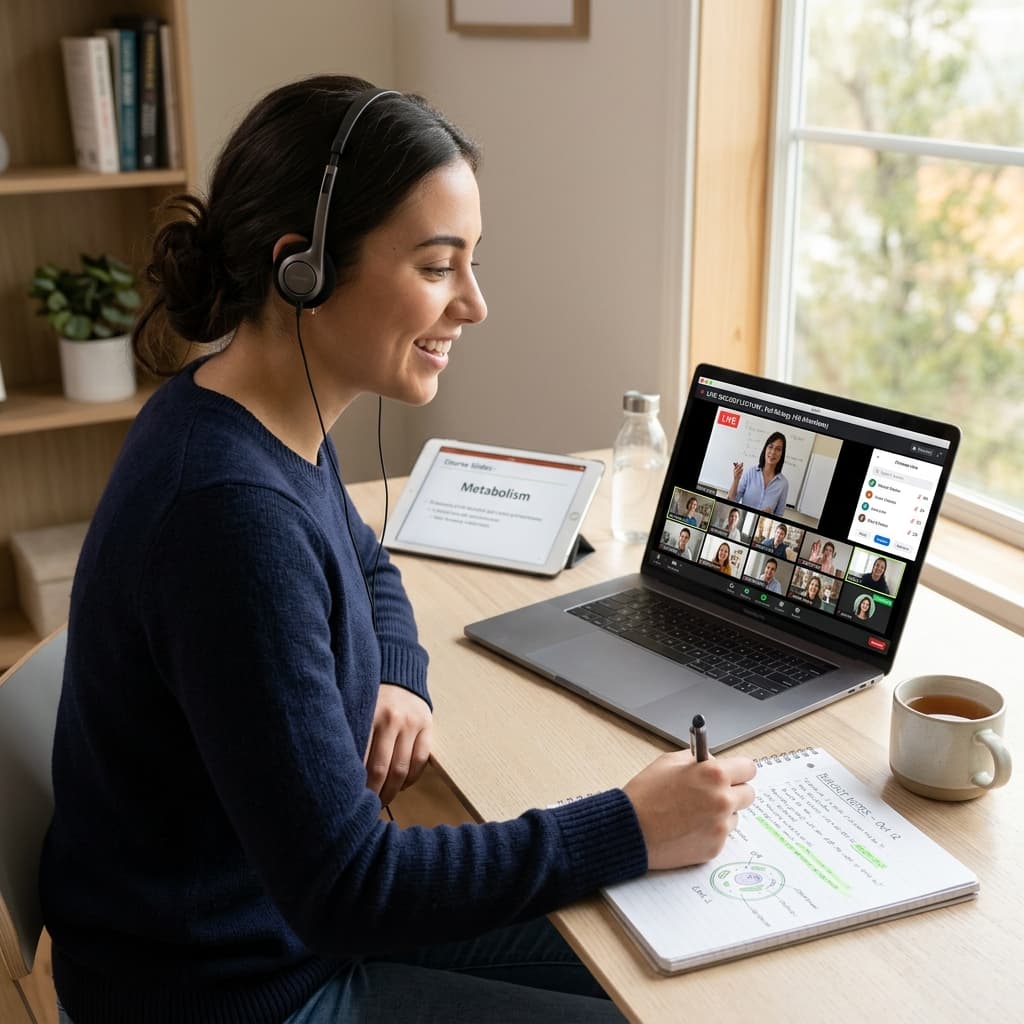
Online project-based schools combine remote learning with live instruction, projects, advising, and flexible scheduling. The category is not the same as online school in general. A program belongs here only if project work and student support are central to the educational model.
Sora Schools is the first featured example in this category. Prisma and The Socratic Experience are included in the seed universe for later profile development.
How the model works
Project-based learning asks students to learn by engaging in real-world or personally meaningful projects over an extended period of time.1 In an online project-based school, that work is supported through video classes, digital collaboration, advising, independent work, exhibitions, portfolios, or similar structures.
Sora says it serves grades 6-12 through live classes, engaging projects, small class sizes, and dedicated advisors. Its site states that the school is fully remote and serves students in 45 states and 18 countries.2
Prisma describes itself as an online school for grades 4-12 with project-based learning, small cohorts, and dedicated learning coaches.3 The Socratic Experience describes itself as a K-12 high-touch virtual school using Socratic dialogue, one-to-one mentoring, and creative and entrepreneurial projects.4
Why it is nontraditional
The model changes the location of school, the daily schedule, and often the way students show learning. Instead of a campus-based day organized around classrooms, students may move between live online sessions, independent work, project development, coaching, clubs, and community events.
The school may still provide structure. The important distinction is that structure comes through digital meetings, advisors, project cycles, progress tools, and deadlines rather than a physical campus schedule.
What parents should verify
Parents should ask how much of the week is live, how much is asynchronous, how attendance is tracked, how teachers monitor engagement, and how students receive help when they are confused. They should also ask whether the student needs a parent at home during the day and how much adult support is expected from the family.
Families should verify accreditation, state enrollment rules, transcript practices, NCAA eligibility, dual enrollment, grading or mastery records, and college counseling. Online schools can vary widely in whether they are full schools, supplemental programs, homeschool curricula, or course providers.
Academic records and college preparation
A project-based online school may use portfolios, mastery records, project exhibitions, traditional transcripts, or a combination of those systems. Parents should ask for sample transcripts and examples of evaluated student work.
If a student plans to play NCAA sports, apply to selective colleges, transfer back to a district school, or meet state graduation requirements, those details should be checked before enrollment. A school can be innovative and still need clear documentation.
Social connection
The social question is central for online schools. Families should ask how students meet classmates, how group work is structured, how clubs operate, whether in-person meetups exist, how the school handles conflict, and how students build friendships outside live academic sessions.
An online model can offer flexibility for students who travel, compete in athletics, pursue arts, need a different pace, or live far from specialized schools. It can also require self-management, reliable internet, quiet work space, and family support.
Current School Decision examples
The featured profile is Sora Schools. Prisma and The Socratic Experience should remain universe cards until full profiles are built. Related categories include AI-powered schools, mastery-based schools, learner-driven microschools, homeschool-compatible programs, and hybrid schools.